Are You Starving Your Gut Bacteria?
Try these 10 Simple Swaps to Boost Microbiome Diversity.
Written by Jessica Diakoumakos, Naturopath (BHSc Naturopathy) · Emba Wellness, Melbourne · Updated 15.04.2026
Microbiome diversity — the variety of bacterial species in your gut — is one of the strongest predictors of gut health and overall wellbeing. Research from the American Gut Project shows that people who eat 30 or more different plant foods per week have significantly greater microbiome diversity than those eating fewer than 10. The most practical way to increase plant diversity is through simple food swaps — replacing single varieties with mixed alternatives of the same food category.
Think your gut is thriving just because you eat ‘healthy’? If you’re sticking to the same foods every day, your microbiome might be missing out on key nutrients and fibres it needs to function optimally. The secret? Diversity. And no, it doesn’t require a total diet overhaul—just a few smart swaps.
Your gut microbiome is home to trillions of bacteria that influence everything from digestion and metabolism to immunity and mental health (Marchesi et al., 2016). The more diverse your gut bacteria, the stronger and more resilient your microbiome becomes. However, research suggests that most people eat fewer than 20 different plant foods per week, limiting the variety of beneficial bacteria they can support (Falony et al., 2016).
So how do you increase gut diversity without complicating your meals? Simple: swap repetitive foods for more diverse options.
Why Microbiome Diversity Matters.
A diverse gut microbiome means:
Better digestion and fewer bloating episodes
Stronger immunity with fewer infections
Balanced blood sugar and improved energy levels
Healthier skin and reduced inflammation
Better mental health (since your gut and brain are connected via the gut-brain axis)
The landmark American Gut Project found that people who eat 30+ different plant foods per week have greater microbiome diversity and more beneficial short-chain fatty acid (SCFA) production, which is essential for gut health (McDonald et al., 2018).
But how do you go from eating the same few staples to tripling your plant intake effortlessly? It’s all about smart swaps.
Each of these swaps increases the number of plant compounds, polyphenols, and fibers you’re consuming, which feeds a wider range of gut bacteria and helps your microbiome thrive.
And the best part? You can find every single one at your local supermarket. No fancy health stores, no expensive specialty items—just smarter choices that make a real difference.
10 simple food swaps.
1. Swap Spinach → Mixed Salad Greens
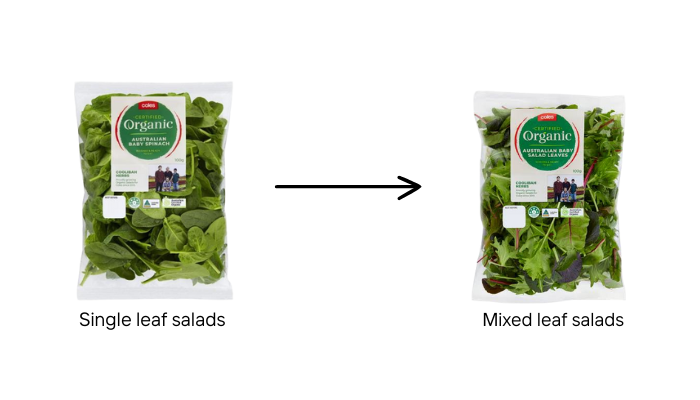
Spinach is great, but why limit your gut to one type of leafy green? Mixed greens (rocket, kale, mustard greens, radicchio, and watercress) introduce different fibres and polyphenols to fuel a variety of microbes.
2. Swap Sunflower Seeds → Mixed Seeds
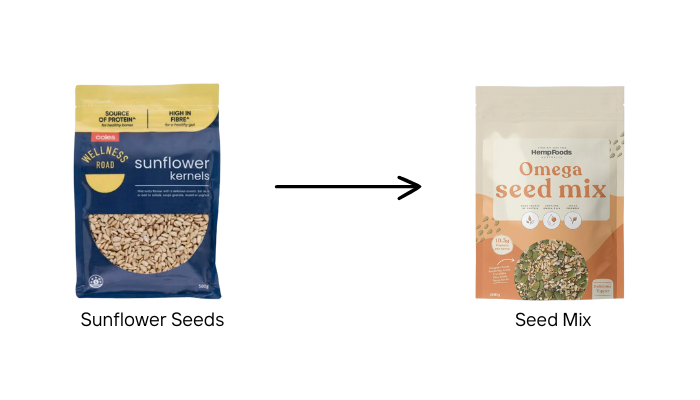
A mixed seed blend (chia, flax, hemp, pumpkin, sesame) packs both soluble and insoluble fibres that act as prebiotic-like compounds, feeding your beneficial gut bacteria and supporting digestion.
3. Swap Blueberries → Mixed Berries
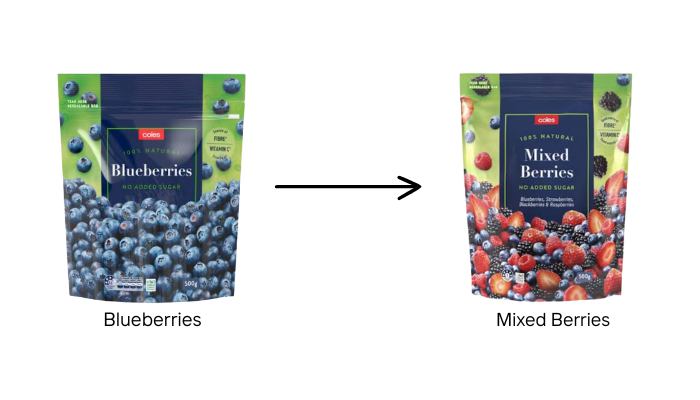
Blueberries are great, but remember - your gut thrives on variety. A mix of blueberries, raspberries, strawberries, and blackberries introduces different fibres and polyphenols - aka gut food.
4. Swap Cannellini Beans → 4-Bean Mix
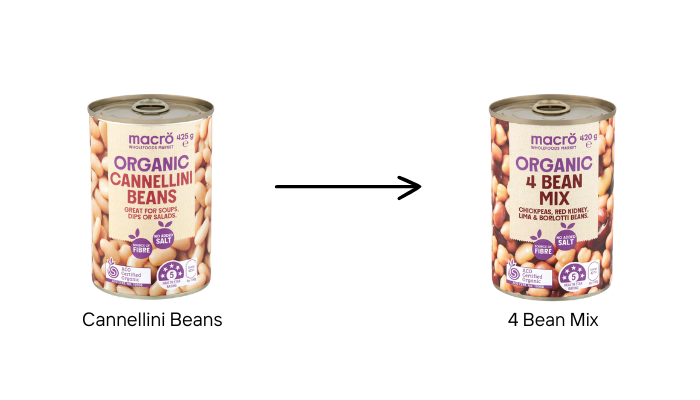
Four is better than one. Swapping cannellini for a mix of kidney, borlotti, lima beans, and chickpeas adds more fibre, resistant starch, and polyphenols to better support gut microbiota.
5. Swap Red Tomatoes → Mixed Tomatoes
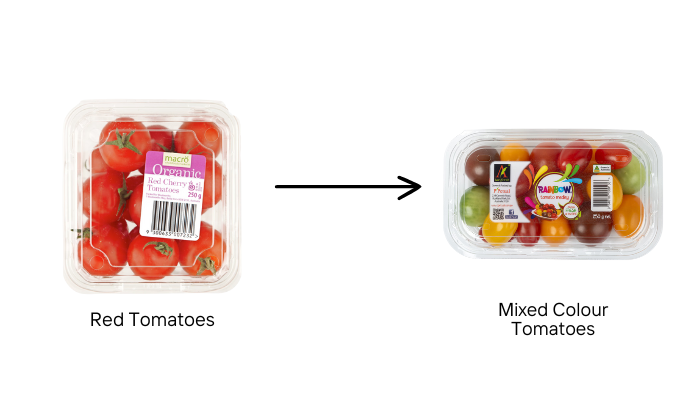
Different tomato varieties (yellow, purple, green, orange) offer a broader spectrum of gut-friendly polyphenols and antioxidants that can enhance microbiome diversity.
6. Swap White Mushrooms → Mixed Mushrooms
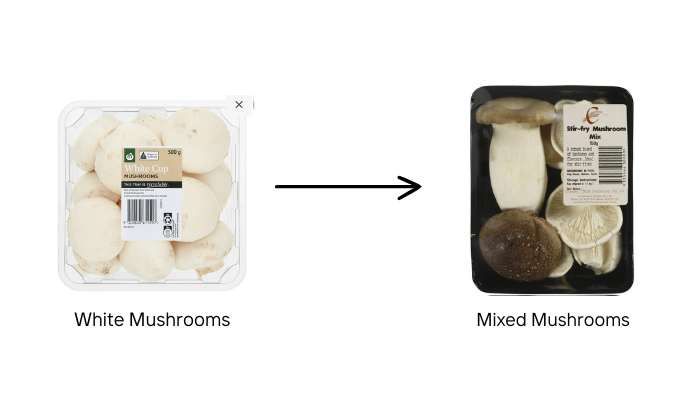
A blend of shiitake, oyster, enoki, and portobello mushrooms provides different beta-glucans and prebiotic-like compounds, feeding a broader range of beneficial microbes.
7. Swap Peanut Butter → Mixed Nut Butter
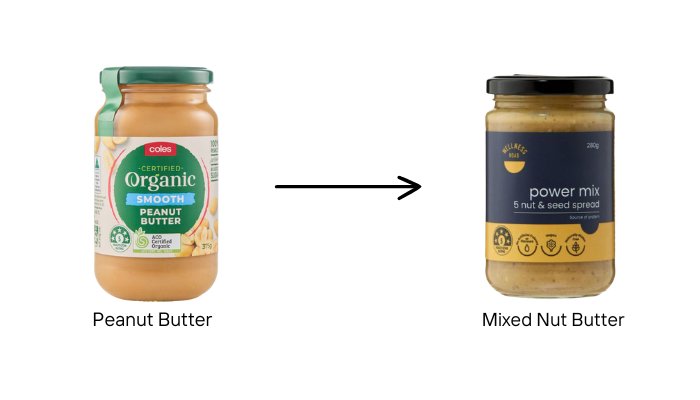
Why stick to peanuts when you can fuel your gut with a blend of almonds, cashews, peanuts? Each nut provides unique nutrients that feed different bacteria strains.
8. Swap White Quinoa → Tri-Colored Quinoa
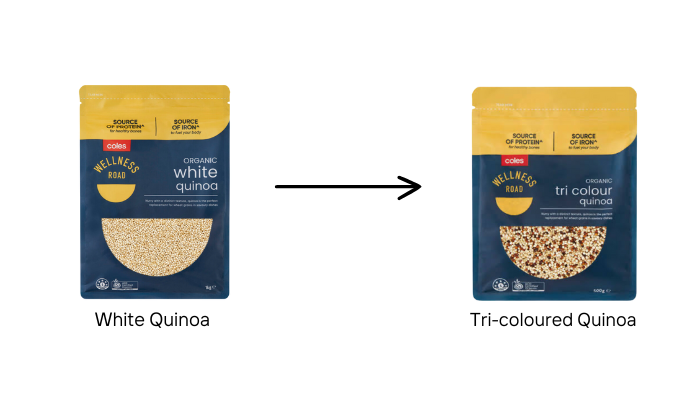
Red, black, and white quinoa contain different polyphenols, fueling a broader range of beneficial gut bacteria while also providing more antioxidants.
9. Swap White Rice → Red/Black Rice
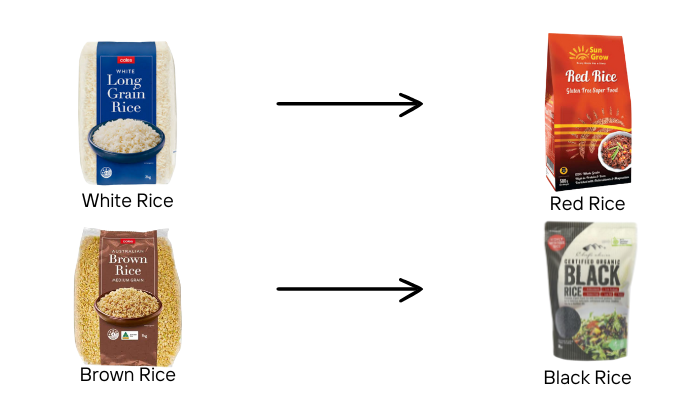
Pigmented rice varieties (red, black) contain higher levels of polyphenols that promote gut resilience and bacterial diversity compared to standard white or brown rice.
10. Swap Oregano → Mixed Herbs
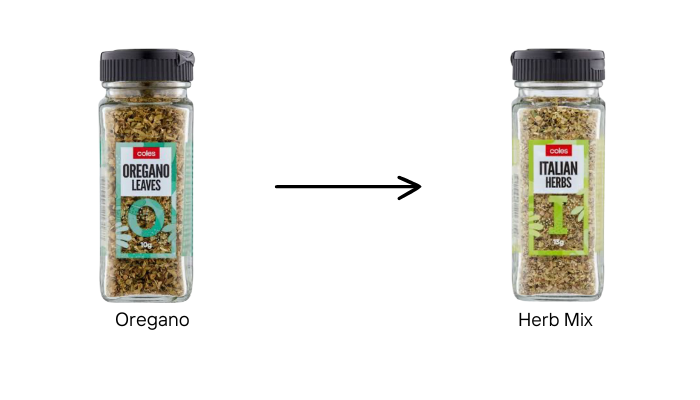
Herbs are incredibly underrated when it comes to gut health. They’re loaded with antioxidants and gut-supporting polyphenols, so rotate basil, thyme, rosemary, parsley, and coriander for maximum diversity.
What Happens When You Make These Swaps?
If you were eating these 10 plant foods a week, these swaps boost you past 30—the minimum target for optimal gut diversity. Do them all, and you’ll hit 40 effortlessly.
More variety = stronger gut resilience, better digestion, and more energy.
How to Start Increasing Microbiome Diversity Today.
Start with 1-2 swaps per week—small, consistent changes make the biggest difference.
Next time you grocery shop, grab a mix instead of a single variety (e.g., mixed nuts, multi-coloured veggies, assorted herbs).
Track your plant diversity—challenge yourself to hit 30+ different plant foods per week.
Experiment with new ingredients—try different legumes, grains, and fermented foods.
Frequently asked questions
-
A diverse gut microbiome — containing a wide variety of bacterial species — is associated with better digestion, stronger immunity, more balanced blood sugar, reduced inflammation, and better mental health via the gut-brain axis. Research shows that low microbiome diversity is linked to conditions including IBS, autoimmune disease, obesity, and depression. The greater the variety of plant foods in your diet, the more diverse your microbiome becomes.
-
Research from the American Gut Project (McDonald et al., 2018) found that people who eat 30 or more different plant foods per week have significantly greater microbiome diversity and higher short-chain fatty acid production than those eating fewer than 10. Plant foods include vegetables, fruits, legumes, wholegrains, nuts, seeds, and herbs — each variety counts as a separate plant food.
-
Prebiotics are types of dietary fibre that feed beneficial gut bacteria. Unlike probiotics (which introduce live bacteria), prebiotics nourish the bacteria already living in your gut. Foods rich in prebiotic fibre include legumes, onions, garlic, leeks, asparagus, oats, and many of the mixed plant foods in this list. Without adequate prebiotic fibre, beneficial bacteria have less fuel to produce the short-chain fatty acids that support gut lining integrity, immune function, and overall health.
-
Short-chain fatty acids (SCFAs) — primarily butyrate, propionate, and acetate — are produced when gut bacteria ferment dietary fibre. They are essential for maintaining the gut lining, reducing intestinal inflammation, regulating immune responses, and supporting brain health via the gut-brain axis. A diverse, high-fibre diet is the most evidence-based way to increase SCFA production.
-
Diet is one of the most powerful tools for supporting the gut microbiome, but it isn't always sufficient on its own — particularly for conditions like SIBO, gut dysbiosis, intestinal permeability, or microbiome imbalances driven by past antibiotic use, infection, or chronic stress. In these cases, functional testing can identify specific drivers, and a targeted naturopathic treatment plan addresses what dietary changes alone cannot.
explore your microbiome.
As a trained Microbiome Analyst, I offer Microba microbiome testing and personalised consultations to help you understand exactly what's happening in your gut — and what to do about it.
Or learn more about microbiome testing at Emba Wellness

References.
Falony, G., Joossens, M., Vieira-Silva, S., Wang, J., Darzi, Y., Faust, K., ... & Raes, J. (2016). Population-level analysis of gut microbiome variation. Science, 352(6285), 560-564. https://doi.org/10.1126/science.aad3503
McDonald, D., Hyde, E., Debelius, J. W., Morton, J. T., Gonzalez, A., Ackermann, G., ... & Knight, R. (2018). American gut: an open platform for citizen science microbiome research. Msystems, 3(3), 10-1128.. https://doi.org/10.1128/mSystems.00031-18
Marchesi, J. R., Adams, D. H., Fava, F., Hermes, G. D., Hirschfield, G. M., Hold, G., ... & Hart, A. (2016). The gut microbiota and host health: a new clinical frontier. Gut, 65(2), 330-339. doi:10.1136/gutjnl-2015-309990