Functional Testing: What Is It and How Can It Help You?
Written by Jessica Diakoumakos, Naturopath (BHSc Naturopathy) · Emba Wellness, Melbourne · Updated 15.04.2026
Functional testing, or functional pathology, refers to a comprehensive set of diagnostic tests used to assess how the body's systems are actually functioning — rather than simply identifying the presence or absence of disease. Unlike standard GP blood panels which use population-based reference ranges, functional testing uses optimal ranges and includes markers most GPs don't routinely order. Tests available through naturopathic practice include comprehensive blood panels, SIBO breath testing, DUTCH hormone panels, Microba microbiome profiling, and vaginal swab analysis.
One of the most common things I hear from new clients is some version of this:
"My GP said my blood tests are normal, but I still feel terrible."
I hear it constantly. And here's the thing — they're usually right to feel confused. Because "normal" on a standard blood test and "actually functioning optimally" are not the same thing. The reference ranges used in standard pathology are based on population averages, not on what's required for you to feel genuinely well.
This is where functional testing comes in. It's one of the most powerful tools I use in clinical practice — and one of the things that most often changes everything for clients who've been searching for answers.
What Is Functional Testing?
Functional testing — also called functional pathology — is a category of diagnostic testing that assesses how your body's systems are actually working, rather than simply identifying whether disease is present or absent.
Standard pathology is designed to rule out serious disease. It's good at that. But it wasn't designed to identify the subtler imbalances — the suboptimal thyroid function, the early insulin resistance, the elevated homocysteine, the gut dysbiosis — that sit between "diagnosable disease" and "feeling genuinely well." That's the gap functional testing is built to fill.
In practice, functional testing means ordering and interpreting a broader set of markers, through private pathology providers, using optimal reference ranges rather than standard population ranges. It also includes specialised tests — stool analysis, breath testing, hormone panels — that aren't available through standard GP referrals at all.
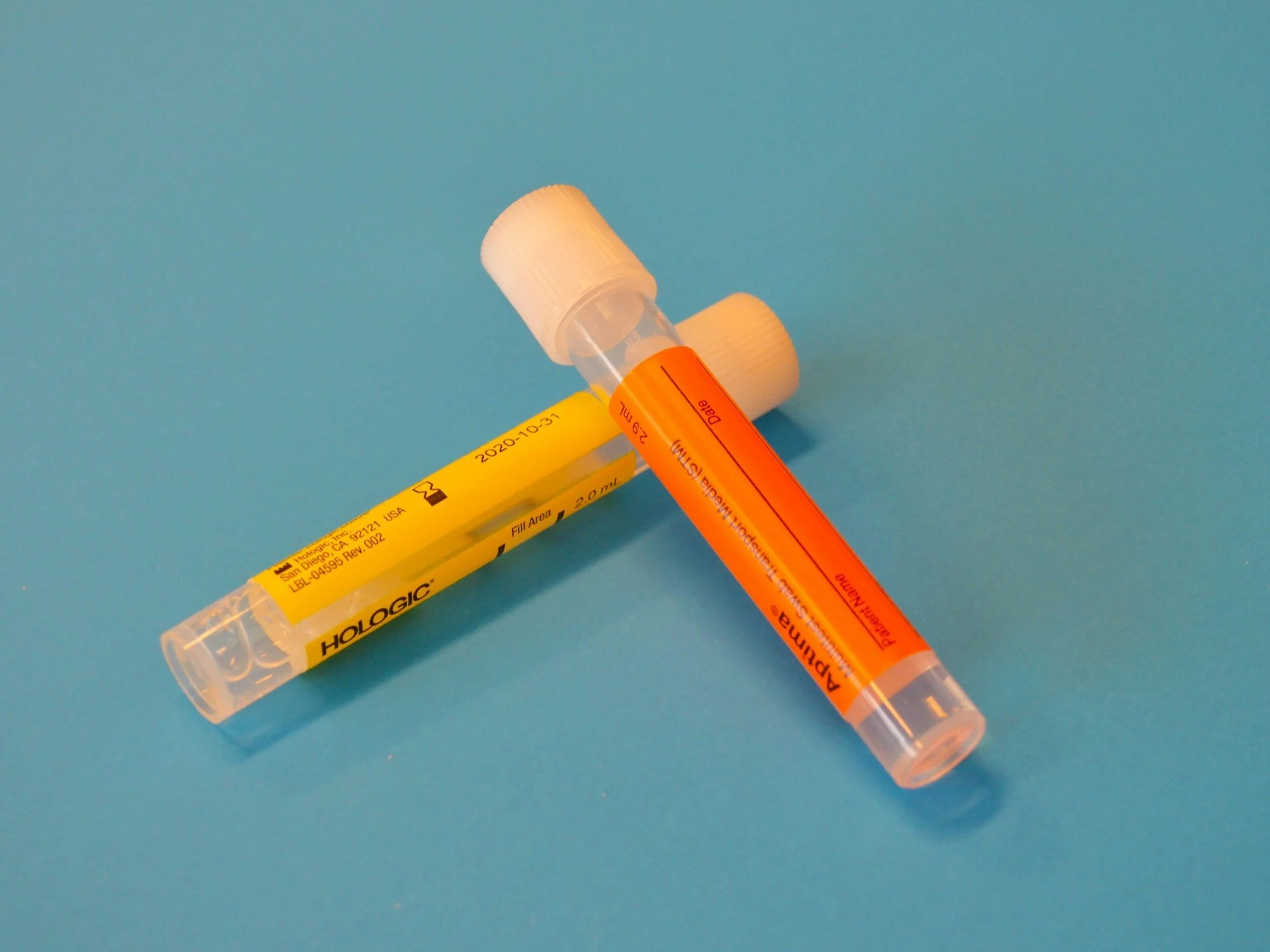
What Functional Tests Do I Order at Emba Wellness?
Depending on your clinical picture and what we're investigating, functional testing at Emba Wellness may include:
Comprehensive Blood Panels
Standard GP blood tests typically cover a basic metabolic panel, FBC, and perhaps TSH. Functional blood panels go significantly further — including fasting insulin, homocysteine, hsCRP (high-sensitivity C-reactive protein), full thyroid panels (TSH, free T3, free T4, reverse T3, thyroid antibodies), comprehensive iron studies (not just ferritin), full sex hormone panels including SHBG, and more.
These are ordered through NutriPATH and IScreen or your GP and interpreted through a functional lens — meaning I'm looking at where your results sit within an optimal range, not just whether they fall inside a broad population reference range. The difference is often significant.
Microba Microbiome Explorer Comprehensive
The Microba Microbiome Explorer Comprehensive is the most advanced microbiome test available in Australia, and the one I use with clients at Emba Wellness. It combines three panels into one test:
A microbiome profile using metagenomics technology — identifying not just which microbes are present, but what they're doing. This includes 16 functional markers covering butyrate, propionate, and acetate-producing microbes, microbial diversity and richness, methane-producing archaea, mucin-consuming microbes, oral species, and more.
A GI health panel using ELISA technology — assessing 7 diagnostic markers of gut function including calprotectin (inflammation), faecal occult blood, lactoferrin, pancreatic elastase (digestive capacity), secretory IgA (immune function), zonulin (intestinal permeability), and faecal pH.
A pathogen panel using RT-PCR technology — screening for 18 pathogenic bacteria and parasites including Giardia, Campylobacter, Cryptosporidium, C. difficile, Dientamoeba fragilis, and others.
This level of detail goes far beyond a standard stool culture or basic microbiome test. The test kit is shipped directly to your home anywhere in Australia, collected at home, and returned by post. Results are interpreted in full during your consultation. As a trained Microbiome Analyst, this is one of the most clinically valuable tests I have access to.
SIBO Breath Testing
Small Intestinal Bacterial Overgrowth (SIBO) is one of the most common underlying causes of IBS symptoms, and it can only be confirmed through a breath test. The lactulose breath test measures hydrogen and methane gas produced by bacteria in the small intestine, allowing us to identify which type of SIBO is present — hydrogen-dominant, methane-dominant (IMO), or mixed — and treat accordingly. Kits are shipped to your home anywhere in Australia.
DUTCH Hormone Panel
The DUTCH (Dried Urine Test for Comprehensive Hormones) is the gold standard for comprehensive hormone assessment. It measures oestrogen, progesterone, testosterone, DHEA, cortisol, and their metabolites across the full diurnal cycle — giving a far more complete picture of hormonal health than a single blood test. Particularly useful for clients with PCOS, endometriosis, irregular cycles, PMS, suspected adrenal dysregulation, or perimenopause.
Genetic Testing — Nutrigenomics & Methylation
Genetic testing in a naturopathic context isn't about ancestry or predicting disease — it's about understanding how your unique genetic variants influence the way your body processes nutrients, metabolises hormones, and responds to environmental factors. This information allows treatment to be genuinely personalised at a biological level.
The key areas I look at include:
MTHFR and methylation variants — the MTHFR gene plays a central role in the methylation cycle, which affects everything from folate and B12 metabolism to detoxification, neurotransmitter production, and cardiovascular risk. Variants in MTHFR and related genes (MTRR, MTR, COMT) can impair methylation efficiency, contributing to elevated homocysteine, fatigue, mood dysregulation, and hormonal imbalances. Understanding your methylation status allows for targeted supplementation — the right form of B12, folate, and supporting cofactors — rather than generic protocols that may not work for your genetics.
Hormone metabolism variants — COMT and CYP genes — the COMT gene influences how efficiently your body breaks down oestrogen, dopamine, and adrenaline. Slow COMT variants are associated with oestrogen dominance, PMS, anxiety, and difficulty with stress recovery. CYP genes govern phase 1 liver detoxification, including how hormones like oestrogen are metabolised — variants here can affect oestrogen clearance and risk of hormonal imbalances. Understanding these variants is particularly valuable for clients with PCOS, endometriosis, or persistent hormonal symptoms.
Nutrigenomics — a broader assessment of how your genes affect nutrient metabolism, absorption, and requirements. This includes variants affecting vitamin D receptor function, omega-3 metabolism, caffeine metabolism, iron absorption, and antioxidant capacity. The DNA Health report is one example of a comprehensive nutrigenomic panel I have used with clients — it covers multiple gene variants across inflammation, bone health, detoxification, insulin sensitivity, and more, translating complex genetic data into clinically actionable recommendations.
It's worth noting that genetic variants are not destiny — they indicate tendencies, not certainties. What genetic testing does is tell us where to focus. A slow COMT variant doesn't mean hormonal problems are inevitable; it means we know to prioritise oestrogen clearance, stress management, and specific nutrient support. It removes the guesswork from personalised medicine.
Genetic testing is typically done once — a saliva sample collected at home — and the results are relevant for life. They're particularly useful when layered with functional pathology findings, since genetics tells us about predispositions while functional testing tells us about current status.
Nutritional and Immune Markers
Assessing vitamins, minerals, and immune markers that aren't typically included in standard blood panels — including B12 and folate (active forms), vitamin D (25-OH), zinc, magnesium, ferritin in context of full iron studies, and inflammatory markers. These are often the missing piece for clients with fatigue, brain fog, or mood concerns.
Vaginal Swab Analysis
For clients with recurrent vaginal microbiome conditions — bacterial vaginosis, thrush, cytolytic vaginosis, or persistent vulvodynia — specialised vaginal swab testing can identify the specific microbial imbalance driving symptoms, allowing for targeted rather than generic treatment.

"Normal" vs Optimal — Why the Difference Matters
This is one of the things I spend a lot of time explaining in consultations, because it surprises almost everyone.
Standard pathology reference ranges are derived from the average results of a large population sample — which includes people who are unwell, medicated, and not functioning optimally. So "normal" essentially means "you fall within the range of the average person," not "you are functioning optimally."
Functional ranges are tighter and more clinically meaningful. A ferritin of 15 µg/L might be within the standard lab range, but clinically it's associated with fatigue, hair loss, and poor cognitive function. A TSH of 3.5 mIU/L might be "normal" but suggests suboptimal thyroid function in someone with symptoms. A fasting insulin of 10 mIU/L is technically within range but indicates early insulin resistance.
These are the findings that standard pathology misses — and that functional testing finds.
How Much Does Functional Testing Cost?
Functional tests range in cost depending on what's being assessed. As a general guide:
Comprehensive functional blood panel — approximately $150–$300 depending on markers ordered, through NutriPATH or IScreen
Microba microbiome profiling — approximately $350–$450
SIBO breath test — approximately $150–$250
DUTCH hormone panel — approximately $350–$500
DNA health report / nutrigenomics panel — approximately $300–$500 depending on the panel (only needs to be tested once)
Microba microbiome profiling — approximately $350–$450
Vaginal swab analysis — approximately $100–$200
Not every client needs every test. Testing is always recommended based on your specific clinical picture — I don't order tests for the sake of it. In many cases, a well-constructed functional blood panel answers the most important questions without needing more specialised testing.
Test kits for at-home collection — SIBO breath testing, DUTCH, and Microba — are shipped directly to your home anywhere in Australia.
“Functional testing is what allows me to stop guessing and start treating with precision. When I can see exactly what’s happening in someone’s gut, their hormone metabolism, their nutrient status — the treatment becomes obvious in a way it simply isn’t without that information. It’s the difference between a plan that might help and a plan that addresses what’s actually happening.”
What This Means for You
If you've been told your results are normal but you still feel unwell — functional testing is often where the answers are.
If you're dealing with unexplained fatigue, brain fog, or mood issues — a functional blood panel including fasting insulin, homocysteine, full thyroid, and active B12 often reveals what standard pathology misses.
If you're dealing with gut symptoms — bloating, IBS, reflux, irregular bowel habits — Microba Microbiome Explorer Comprehensive and SIBO breath testing can identify specific drivers that allow for targeted treatment rather than symptom management.
If you're dealing with hormonal concerns — irregular cycles, PCOS, PMS, post-pill issues, or perimenopausal symptoms — a DUTCH hormone panel gives a level of detail that standard hormone blood tests simply don't.
Read more about the 6 functional pathology markers your GP probably hasn't ordered
Frequently Asked Questions
-
Yes. Naturopaths can order a comprehensive range of functional tests through private providers. At Emba Wellness, blood panels are ordered through NutriPATH and IScreen, and include markers most GPs don't routinely test — fasting insulin, homocysteine, full thyroid panels, comprehensive iron studies, hsCRP, and full sex hormone panels. Specialised testing including Microba Microbiome Explorer Comprehensive, SIBO breath testing, DUTCH hormone panels, vaginal swab analysis, and nutrigenomic genetic testing can also be arranged, with kits shipped directly to your home anywhere in Australia.
-
No referral is needed. All functional tests ordered through Emba Wellness are arranged directly — blood panels through NutriPATH or IScreen, and at-home collection kits for microbiome, urine, breath, and saliva testing shipped to your address anywhere in Australia. You don't need to see a GP first.
-
Functional tests ordered through private naturopathic providers are not Medicare-subsidised. Some private health funds may offer partial rebates on pathology — check with your insurer. As of 1 July 2025, naturopathy has been reinstated for private health insurance rebates in Australia, so the consultation in which tests are ordered and results are interpreted may be claimable under your extras cover. Jessica Diakoumakos is a current NHAA member (#158400), which is the primary credential health funds are using for eligibility.
-
All functional test results ordered through Emba Wellness are reviewed and interpreted in detail during a consultation — either an Extended Return or Return consultation depending on complexity. You'll receive a written summary of findings and a treatment plan informed by the results within 24 hours of your appointment.
-
Absolutely — and I actively encourage it. If you have existing pathology results from your GP or a specialist, bring them. I'll interpret them through a functional lens, identify any findings that may have been overlooked or dismissed as "normal," and use them as part of your overall clinical picture.
-
The Microba Microbiome Explorer Comprehensive is the most advanced microbiome test available in Australia. It combines three panels — a microbiome profile using metagenomics technology covering 16 functional markers, a GI health panel assessing 7 diagnostic markers including calprotectin, zonulin, secretory IgA, and pancreatic elastase, and a pathogen panel screening for 18 pathogenic bacteria and parasites using RT-PCR technology. The kit is collected at home and returned by post. As a trained Microbiome Analyst, this is one of the most clinically valuable tests I use — particularly for clients with gut symptoms, skin conditions, mood concerns, or autoimmune disease.
-
SIBO (Small Intestinal Bacterial Overgrowth) is one of the most common underlying causes of IBS symptoms including bloating, abdominal pain, constipation, and diarrhoea. It occurs when bacteria migrate into the small intestine where they don't belong, fermenting food and producing hydrogen or methane gas. SIBO is diagnosed through a lactulose breath test, which measures these gases over a two-to-three hour period. The test kit is shipped to your home, completed in the morning in a fasted state, and returned by post. Identifying whether SIBO is hydrogen-dominant, methane-dominant (IMO), or mixed allows for targeted treatment rather than generic gut protocols.
-
The DUTCH (Dried Urine Test for Comprehensive Hormones) is the gold standard for comprehensive hormone assessment. Unlike a single blood test, the DUTCH measures oestrogen, progesterone, testosterone, DHEA, cortisol, and their metabolites across the full diurnal cycle — giving a far more complete picture of how hormones are being produced, metabolised, and cleared. It's particularly useful for clients with PCOS, endometriosis, irregular cycles, PMS, suspected adrenal dysregulation, or perimenopause. The test involves collecting urine samples on filter paper at specific times over one day and is posted back to the lab.
-
Yes. Naturopaths can arrange nutrigenomic and methylation genetic testing through private providers. At Emba Wellness, genetic testing is recommended selectively — typically for clients with complex hormonal presentations, persistent fatigue, mood concerns, or suspected methylation issues where understanding gene variants adds meaningful clinical value. Testing involves a simple saliva sample collected at home and returned by post. Results are interpreted in the context of your full clinical picture during a consultation and are relevant for life — genetic testing is a once-only test.
Ready to Get Some Real Answers?
If you've been managing symptoms without getting to the bottom of what's actually driving them, functional testing is often where the picture finally becomes clear.
Or learn more about what to expect from a naturopath consultation