Emba’s Pre-Meal Ritual to Support Healthy Digestion.
Written by Jessica Diakoumakos, Naturopath (BHSc Naturopathy) · Emba Wellness, Melbourne · Updated 15.04.2026
Bloating and digestive discomfort after meals is often less about what you eat and more about the state your nervous system is in when you eat. Digestion is a parasympathetic function — it requires the body to be in "rest and digest" mode to secrete adequate stomach acid, digestive enzymes, and to support healthy gut motility. Simple pre-meal practices that activate the parasympathetic nervous system can significantly improve digestion, reduce bloating, and support nutrient absorption.
If you’re eating all the right foods but still feel bloated, heavy, or uncomfortable after meals - you’re not alone. And you’re not doing it wrong.
Because here’s the thing: digestion isn’t just about what you eat. It’s also about how and in what state you eat it.
Even the most beautifully balanced meal can leave you feeling blah if your body isn’t in the right state to break it down.
At Emba Wellness, we talk a lot about the gut-brain connection - and this is exactly why. If your nervous system is in "go go go" mode, digestion takes a back seat. That means fewer digestive enzymes, poor stomach acid secretion, and food sitting around fermenting, rather than being properly broken down.
But there’s good news: supporting your digestion doesn’t need to be complicated. A few small changes before a meal can make a big difference.
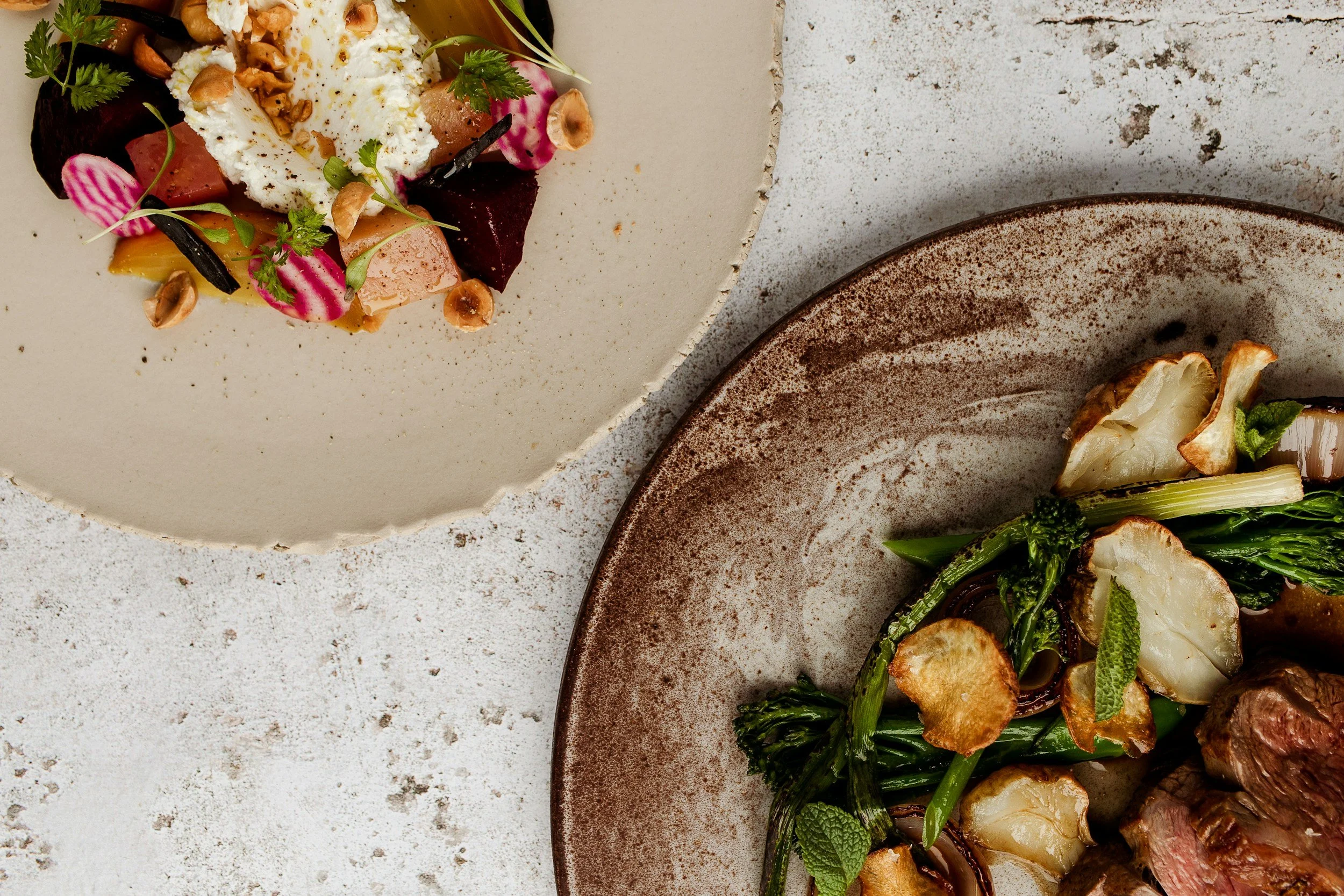
A Simple Pre-Meal Ritual for Better Digestion.
1. Step Away from Your Screen.
Digestion starts in your brain. When you’re eating while on your phone or laptop, your body stays in sympathetic ("fight or flight") mode—not the parasympathetic ("rest and digest") state it needs to actually break food down. Screens stimulate stress hormones and delay the digestive response. Just taking a moment to disconnect can help your body shift gears and prepare for nourishment.
2. Take 5 Deep Belly Breaths.
This is your signal to your nervous system: "we’re safe now, it’s time to digest." Deep diaphragmatic breathing helps shift you into a calm state, improving enzyme secretion and gut motility.
3. Look at and Smell Your Food.
Sounds simple, but this is actually doing something specific. Seeing and smelling your food triggers what's known as the cephalic phase digestive response — your body's way of preparing for the meal before a single bite is taken. Stomach acid, digestive enzymes, and saliva are all released in anticipation. Research shows this phase accounts for around 20–30% of your total digestive secretions during a meal (Zafgen et al., 2023).
Skip it — by eating at your desk, grabbing food on the go, or scrolling while you eat — and your digestive system is already playing catch-up before you've started.
4. Chew Your Food Properly.
Your stomach doesn’t have teeth. Chewing mechanically breaks down your food so that your digestive system doesn’t have to work so hard. Aim for 20–30 chews per bite—this can significantly reduce bloating and help with nutrient absorption.
5. Go Easy on Water Before and During Meals.
While having a small amount of water during your meal is alright, having large glasses of liquid can cause fullness and bloating that impact the digestion of your meal. Sip if you need to, but try not to guzzle large amounts of liquid right before or during eating.

Why This Pre-Meal Ritual Matters.
These small shifts can help improve your digestion, reduce bloating, support better nutrient absorption, and even regulate your appetite.
Think of this ritual as creating the right environment for your gut to do what it does best.
Because health isn’t just about what you eat. It’s about how you live, how you support your nervous system, and how connected you are to your body.
Frequently Asked Questions
-
Bloating after meals isn't always about what you eat — it's often about the state your body is in when you eat it. If your nervous system is in sympathetic ("fight or flight") mode, digestive enzyme secretion, stomach acid production, and gut motility are all reduced. Food then sits in the digestive tract longer than it should, fermenting and producing gas. Slowing down, breathing, and removing distractions before eating can make a significant difference to how your body processes a meal.
-
The cephalic phase is the first phase of digestion — it begins before you even take a bite. Seeing, smelling, and thinking about food triggers the release of saliva, stomach acid, and digestive enzymes in anticipation of eating. This phase accounts for approximately 20–30% of total digestive enzyme secretion. Skipping it — by eating quickly, distracted, or on the run — means your digestive system is already behind before the meal begins.
-
Large amounts of fluid during meals can dilute digestive enzymes and stomach acid, potentially impairing breakdown of food. Small sips of water during a meal are generally fine, but drinking large glasses immediately before or during eating can contribute to bloating and fullness. The optimal approach is to hydrate well between meals rather than relying on large amounts of fluid during them
-
Most naturopaths and digestive health practitioners recommend aiming for 20–30 chews per bite — significantly more than most people manage. Thorough chewing mechanically breaks food into smaller particles, increasing the surface area available for digestive enzymes and reducing the workload on the rest of the digestive system. Inadequate chewing is one of the most common and overlooked contributors to bloating and poor nutrient absorption.
-
Pre-meal practices can support digestion significantly, but if you're experiencing persistent bloating, abdominal pain, irregular bowel habits, reflux, or food sensitivities despite dietary and lifestyle changes, there may be an underlying driver that warrants investigation. Conditions like SIBO, gut dysbiosis, low stomach acid, or intestinal permeability often require functional testing to identify and targeted naturopathic treatment to address effectively.
Want to Go Deeper with Your Gut Health?
If pre-meal practices help but you're still dealing with persistent bloating, reflux, or digestive discomfort — there's likely something else going on underneath. I work with clients across Australia to identify and address the root cause of gut symptoms through functional testing and targeted naturopathic care.
Or learn more about microbiome testing at Emba Wellness

References
Zafgen, S., et al. (2023). The elusive cephalic phase insulin response: triggers, mechanisms, and functions. Physiological Reviews, 103(3). https://doi.org/10.1152/physrev.00025.2022